Department 01

Everyday Physics

The invisible forces, energy transfers, and mechanical rules that govern how everyday objects behave.

Shadows cast on concrete varying in length based on light angle
Optics & Light

The Geometry of Shadows

Explore how the apparent position of a light source affects the shape, sharpness, and length of shadows, and why outdoor shadows shift dramatically throughout the day.

Practical Example: Sundials utilize this predictable geometric change to measure time.
Read Explanation →
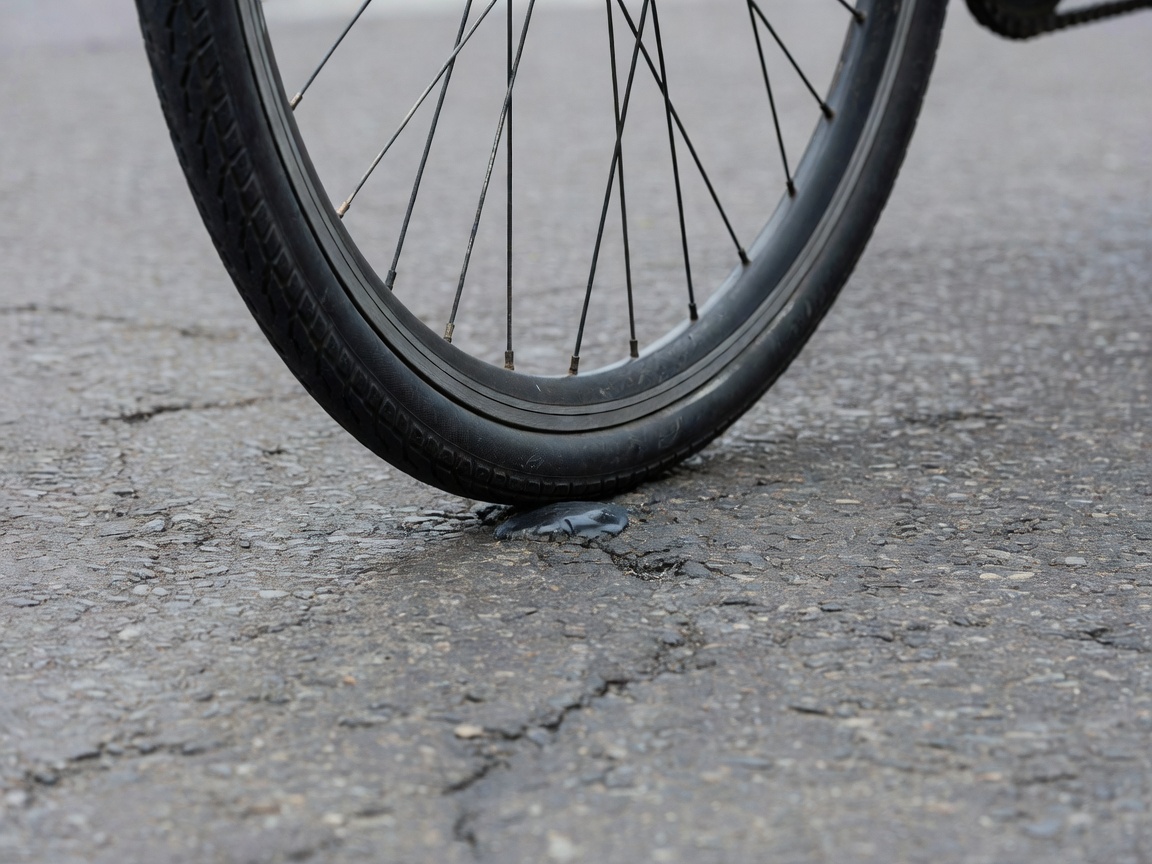
Bicycle tire resting on asphalt showing friction point
Mechanics

The Necessity of Friction

Friction is often viewed as a force of resistance, but it is entirely responsible for our ability to walk, drive, and hold objects. Discover how microscopic surface irregularities interact.

Practical Example: The tread on shoes displaces water to maintain a high friction coefficient on wet ground.
Read Explanation →
Water boiling in a metal pot on a stove top
Thermodynamics

Heat Transfer in the Kitchen

Analyze how heat moves via conduction (direct contact), convection (fluid movement), and radiation (electromagnetic waves) when boiling water or baking bread.

Practical Example: A metal pan uses conduction, while the oven air uses convection.
Read Explanation →