
The Properties of Glass
Glass is a unique material—an amorphous solid lacking a crystalline structure. We study its high light transmission (transparency), low thermal conductivity compared to metals, and susceptibility to thermal shock. Its smooth surface also makes it prime territory for observing condensation.
Study Material →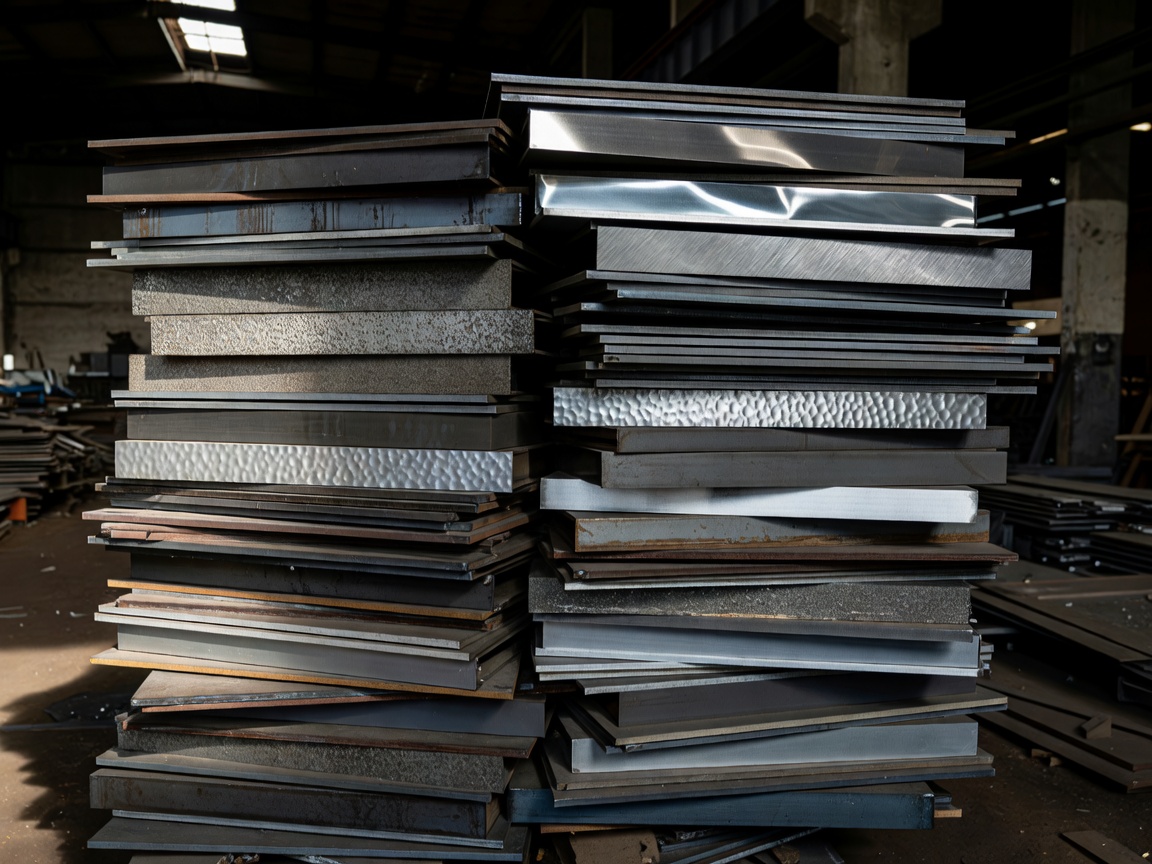
The Mechanics of Metal
Metals are defined by a lattice of positive ions surrounded by a "sea" of free electrons. This structure accounts for their high electrical and thermal conductivity. This is exactly why a metal object at room temperature feels significantly colder to human touch than a plastic object.
Study Material →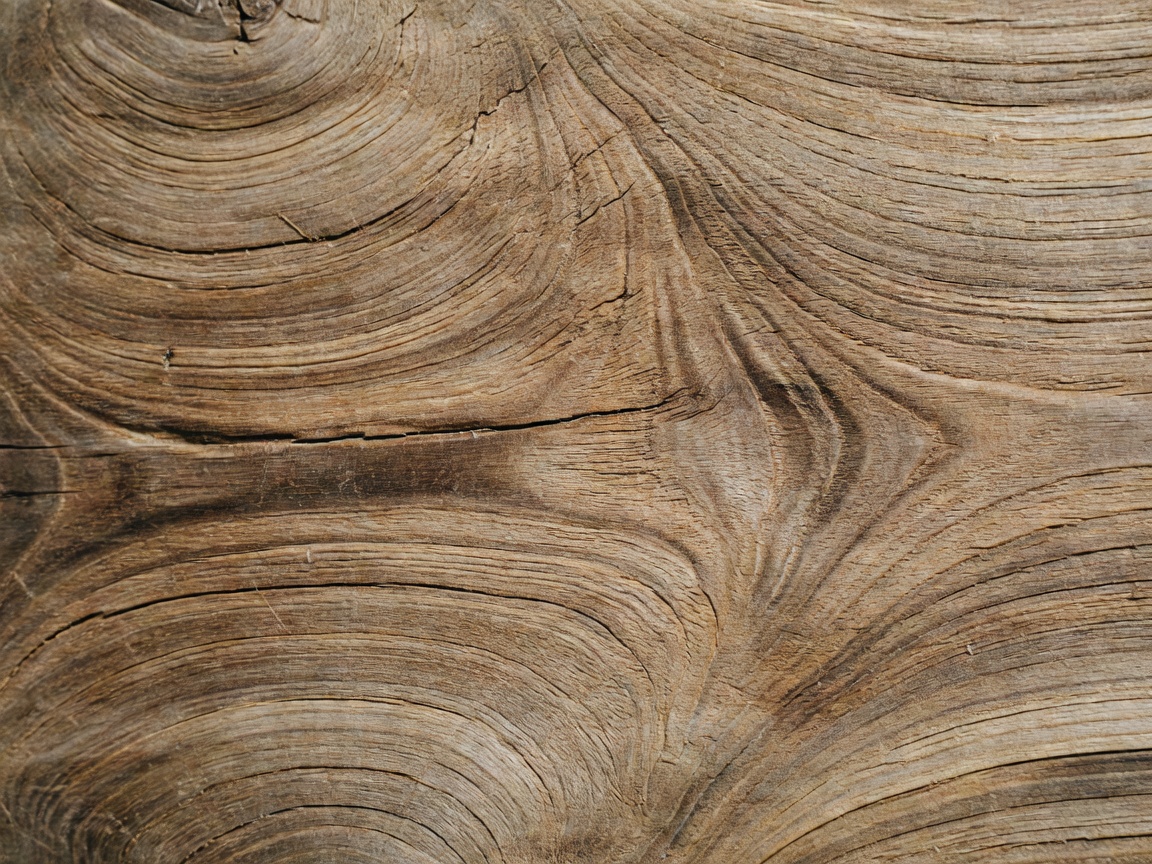
The Structure of Wood
Wood is a porous and fibrous structural tissue. Composed primarily of cellulose fibers embedded in a matrix of lignin, it acts as an excellent natural thermal insulator because its cellular structure traps tiny pockets of air, resisting the flow of heat energy.
Study Material →